
Converting an extra pawn into a win comes down to four habits: trade pieces but keep pawns, create an outside passed pawn, activate your king, and avoid needless complications. An extra pawn is only an advantage if you know how to nurse it into a queen, and many players let winning endgames slip because they lack a plan.
These principles turn a material edge into a full point again and again.
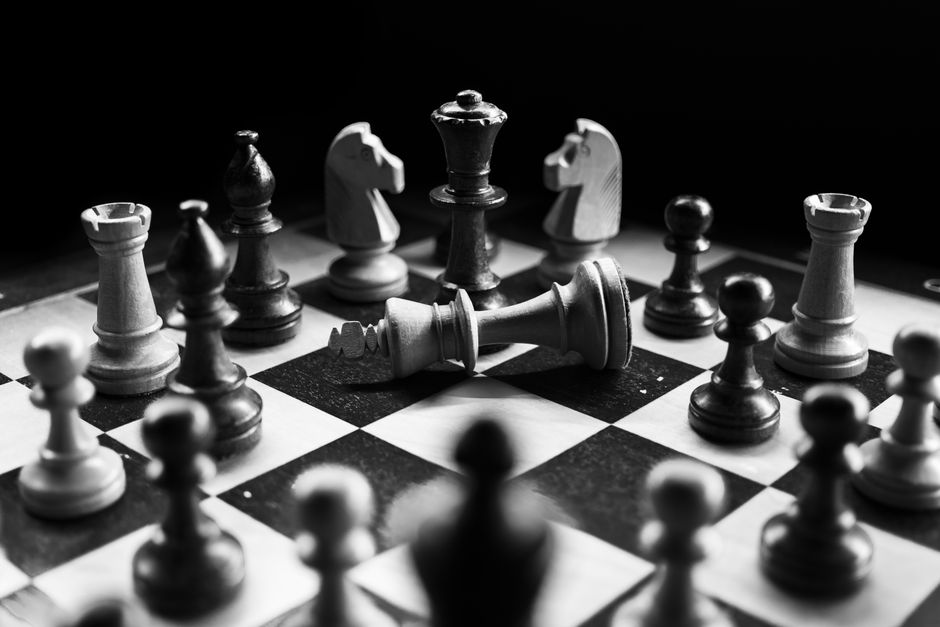
Trade Pieces, Not Pawns
With an extra pawn, every piece exchange brings you closer to a winning king and pawn ending, while every pawn trade reduces your winning chances. Simplify toward the endgame where your extra pawn matters most.
As pieces come off, the value of a single extra pawn rises sharply. A pawn that means little in a queen middlegame becomes decisive once only kings and pawns remain, because it can simply promote.
Trade pieces to approach a won king and pawn ending, but hold onto every pawn, because pawns are what you will promote. This is the golden rule of conversion.
| Action | With an extra pawn | Why |
|---|---|---|
| Trade pieces | Good | Simplifies toward won pawn ending |
| Trade pawns | Usually bad | Reduces winning material |
| Keep queens on | Risky | Allows counterplay and perpetual |
| Activate king | Essential | King is a strong endgame piece |
Create an Outside Passed Pawn
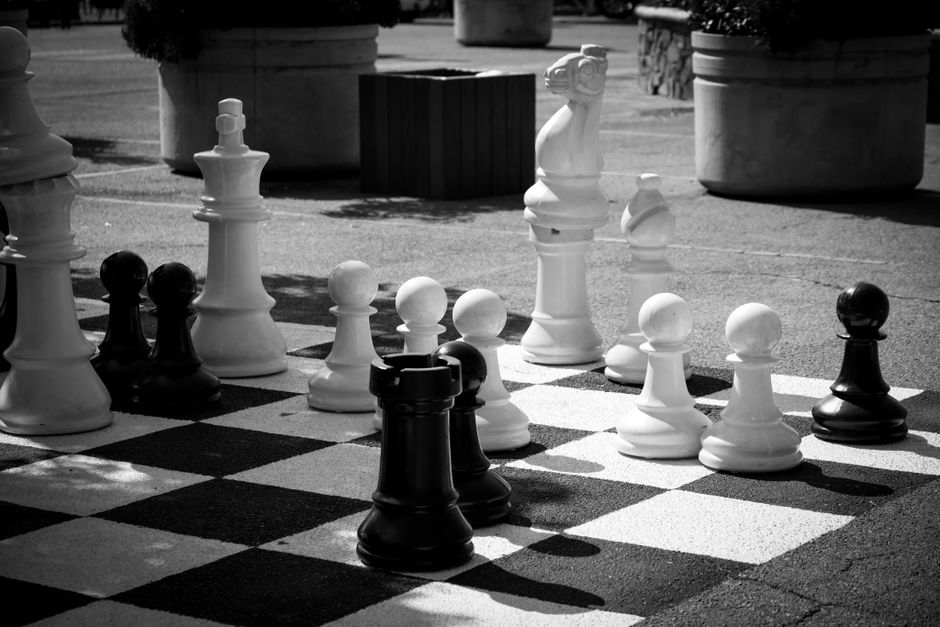
An outside passed pawn, far from the other pawns, is a decisive weapon. It lures the enemy king away to stop it, and while the king is busy on one wing, your king feasts on the pawns on the other.
Aim to create a passer on the side where you have a pawn majority. Push the majority carefully so that one pawn breaks through, then use it as a decoy that stretches the defense to breaking point.
Follow this plan:
- Identify the wing where you have more pawns than your opponent.
- Advance that majority to create a single passed pawn.
- Push the passer far enough to force the enemy king to chase it.
- March your own king to the other wing and win the abandoned pawns.
Activate Your King
The king is a fighting piece in the endgame, worth roughly as much as a minor piece in raw power. Once the queens are off, bring it toward the center and into the action rather than leaving it tucked away.
An active king supports your passed pawn, attacks enemy weaknesses, and out-muscles a passive enemy king. In many won endgames the decisive factor is simply that one king got active first.
Do not wait for a "safe" moment to activate your king. The endgame is that moment. A king still sitting on its starting square in a pawn ending is a wasted piece and often the reason a won game is drawn.
Avoid Unnecessary Complications
When you are winning, simplicity is your friend. Resist the urge to grab a second pawn or launch a flashy attack if a calm, technical route gets the job done.
Every complication gives your opponent a chance for counterplay, and a draw thrown away from a winning position stings far more than a slow, boring win. Keep the position under control and let your extra pawn do the work.
When ahead, choose the clearest path to the win over the fastest or flashiest one, because your only real enemy is your opponent’s counterplay. Technique beats fireworks.
Watch for the Drawn Exceptions
Not every extra pawn wins, and the good technician knows the exceptions cold before trading into them. Certain material combinations are drawn no matter how cleanly you play, so recognizing them saves you from simplifying into half a point.
The most important drawish traps are the wrong-bishop rook pawn, opposite-colored bishop endings with a single extra pawn, and many rook endings a single pawn up against accurate defense. If your extra pawn leads into one of these, keep more material on the board and look for a different winning plan.
Before you simplify, confirm the resulting ending is actually won, because several famous positions are dead draws even a clear pawn ahead. A quick check prevents a heartbreaking half-point.
| Ending a pawn up | Result | Note |
|---|---|---|
| King and pawn (central) | Win | Use opposition and key squares |
| Rook and pawn | Often draw | Aim for the Lucena |
| Opposite bishops | Usually draw | Need separated passers |
| Wrong bishop + rook pawn | Draw | Keep a second pawn |
Nurse the Passed Pawn, Do Not Rush It
A passed pawn is strongest when supported, not when raced forward alone. Advance it only with your king or a piece escorting it, so it never falls to a lone defender.
Premature pushes are one of the most common conversion errors. A pawn that runs ahead of its support becomes a target, and chasing it back wastes the very tempi you need to win. Bring your king up first, secure the pawn’s path, and then advance step by step. Patience here is not timidity; it is the technique that keeps your extra pawn from evaporating.
Bringing It Together
These four habits reinforce one another. You trade into a favorable ending, create a passed pawn, activate your king to support it, and keep the position clean so nothing goes wrong.
Practice by setting up endgames a single pawn ahead and converting them against a strong opponent or engine. Focus on one principle at a time until each becomes second nature, and keep a note of the endings where you slipped so you can return to them. Winning a won game is an unglamorous skill, but it decides more rated points than any brilliant combination, because these positions arise in nearly every serious game you play. Master the humble task of converting an extra pawn, and your results will climb faster than any amount of opening study could manage.