
The best opening for a beginner is one with clear ideas you can repeat: develop your pieces, control the center, and castle early. You do not need twenty openings — you need one for White and one against each of Black’s main replies, played well.
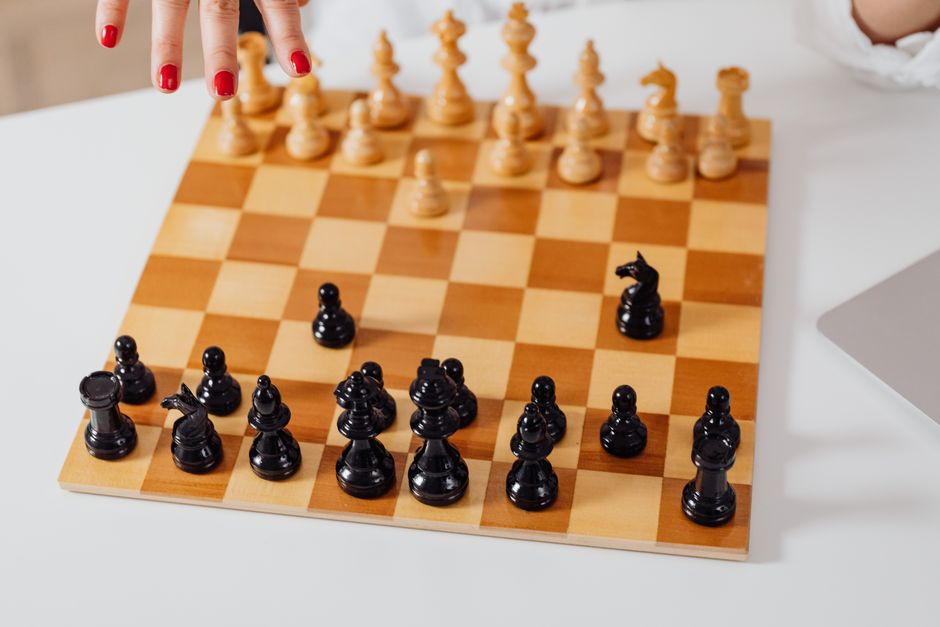
What a good beginner opening does
Every strong beginner opening follows the same three principles:
- Control the center with a pawn on e4 or d4.
- Develop knights and bishops toward the center before move ten.
- Castle to tuck the king away.
If an opening helps you do those three things naturally, it is good for you right now. Sharp trap-based lines can wait.
Best openings for White

Start with 1.e4. It leads to open, tactical positions where good development is rewarded and mistakes are punished — the fastest way to learn.
| Opening | First moves | Why it suits beginners |
|---|---|---|
| Italian Game | 1.e4 e5 2.Nf3 Nc6 3.Bc4 | Natural development, clear plans |
| Scotch Game | 1.e4 e5 2.Nf3 Nc6 3.d4 | Opens the center early |
| London System | 1.d4 and 2.Bf4 | Same setup vs almost anything |
The London System is worth a look if you dislike memorizing: you play nearly the same moves regardless of Black’s reply.
Best replies for Black
You need answers to White’s two main first moves:
- Against 1.e4 play 1…e5 and head for the same open, principled positions, or try the Caro-Kann (1…c6) for a solid structure.
- Against 1.d4 play 1…d5 with a quick …Nf6 and …e6, building a firm center.
Keep it simple. One reliable answer to each is enough for hundreds of games.
How to choose and stick with it

- Pick one opening for White and one answer to each of Black’s first moves.
- Play them in at least twenty games before judging them.
- After each game, note the first moment you did not know what to do — that is your next study topic.
Warning: do not switch openings every time you lose. Losses usually come from tactics and blunders in the middlegame, not from the opening itself.
The habit that matters most
Openings get beginners excited, but development wins games. Whatever you choose, ask on every move whether a new piece can come into play and whether your king is safe. Do that consistently and almost any sound opening will serve you well.